
Automating continuous internal audit means turning control tests into routines that run frequently, across entire populations of records, and flag exceptions as soon as they appear. Instead of pulling a sample every quarter, the audit team sets up rules that validate transactions, access and configurations on a recurring basis, and spends its time investigating what really matters.
This shift responds to a concrete pressure. The volume of risk is growing faster than the capacity to check it manually: vulnerability (CVE) submissions increased 263% between 2020 and 2025, according to NIST's April 2026 announcement on National Vulnerability Database (NVD) operations. At the same time, many audit teams have fewer resources, as the IIA figures further down show. A quarterly spreadsheet can hardly keep up with that pace. This guide explains what continuous internal audit is, why it pays off and how to put it into practice.
What continuous internal audit is and how it differs from the traditional model
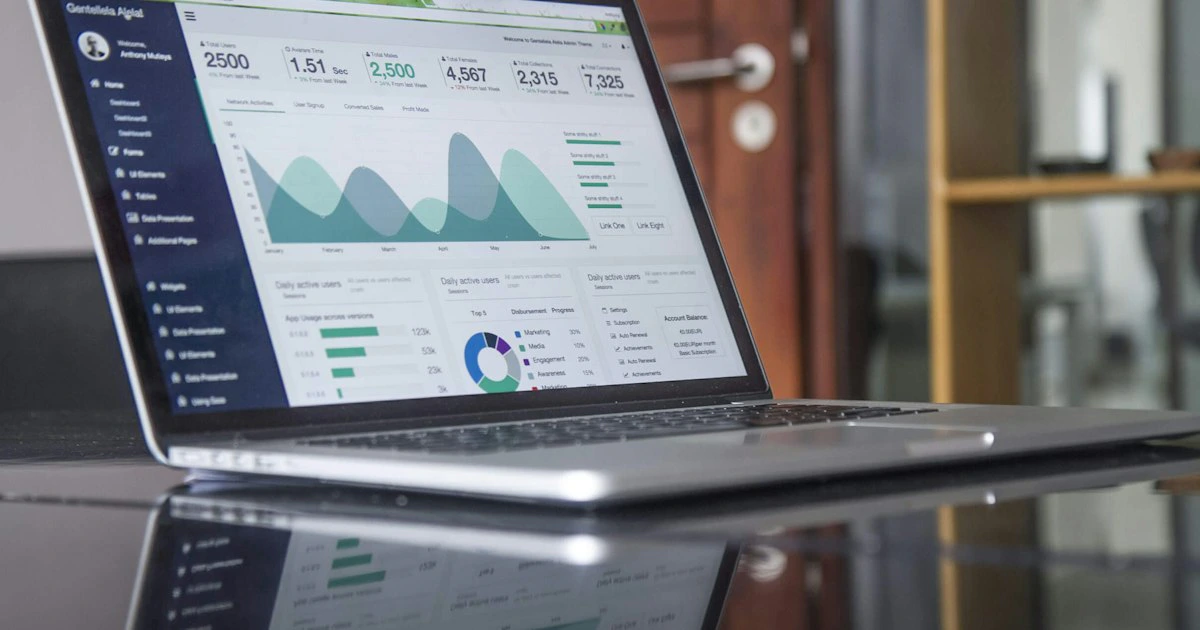
Continuous internal audit is the practice of testing controls and transactions in an automated, frequent way, so that failures surface close to when they occur. Traditional audit works through periodic snapshots: every quarter or year, the auditor picks a sample, checks whether the controls operated and issues an opinion on a period that has already closed.
The practical difference comes down to three points:
- Coverage. Sampling examines a fraction of the records. Continuous audit can test the entire population of relevant transactions and configurations, provided the data is accessible.
- Timing. The traditional model reports on the past. Continuous audit detects the exception while it can still be fixed.
- Effort. In sampling, much of the work is manual evidence collection. In continuous audit, collection is automated and human effort shifts to analysis.
It is worth separating two concepts that are often confused. Continuous control monitoring is generally a management activity, carried out by those who operate and oversee the controls in the first and second lines. Continuous auditing is carried out by internal audit: according to the IIA's Continuous Auditing and Monitoring guide (3rd edition, September 2025), it uses technology to assess risks and controls on an ongoing basis and enables internal audit to offer continuous assurance to the board and senior management. In the IIA's Three Lines Model, internal audit is the independent third line. The techniques look alike and can be integrated, but the roles and the independence differ. To see how these roles feature in choosing a tool, read GRC Software: What It Is and How to Choose.
Benefits: real-time evidence and less manual effort
The most tangible benefit is evidence close to real time. When an automated test fails a control, the record of the failure, the date and the affected item are stored at that very moment. This shortens the time between the problem and the response, and gives the audit committee a more current view, not only that of a quarter that has already passed.
The second benefit is less repetitive manual effort. Collecting screenshots, downloading reports and reconciling spreadsheets takes up a large share of the time in many audits. By automating collection, the team stops producing evidence and starts interpreting it.
This comes at an opportune moment. Budget pressure on internal audit has increased: the share of functions reporting budget cuts rose from 11% to 19% between 2024 and 2025, according to the 2026 North American Pulse of Internal Audit from the Internal Audit Foundation (373 responses from internal audit leaders, most of them in the United States). Doing more with less requires automating low-value work.
There is also a traceability gain. Evidence generated automatically, with its date and source recorded, tends to be easier to verify than a hand-built spreadsheet. That traceability supports both the conversation with the regulator and risk reporting to the board.
How to define automated control tests
Automating everything at once tends to fail. The safest path is to start with the highest-risk controls and expand. A practical roadmap:
- Prioritise the controls. List the controls that are critical to the organisation's objectives and regulatory obligations. In the same IIA survey, cybersecurity and IT account for roughly 20% of audit effort across most sectors, so access, segregation of duties and system changes are usually good starting points.
- Turn the control into a rule. For each control, define what counts as compliance and what counts as an exception. Illustrative example: "no departed user should keep active access after 24 hours" (use the deadline your own policy sets). The rule must be objective enough to run without interpretation.
- Connect the data source. Identify where the evidence comes from: identity directory, ERP, ticketing tool, cloud logs. The test queries that source directly, with no manual intermediary.
- Set frequency and threshold. Some tests run daily, others on every change. Set the volume of deviations that triggers an exception so the team is not drowned in noise.
- Assign an owner to each exception. Every failure needs someone responsible for investigating and treating it. Without an owner, the alert becomes just another ignored record.
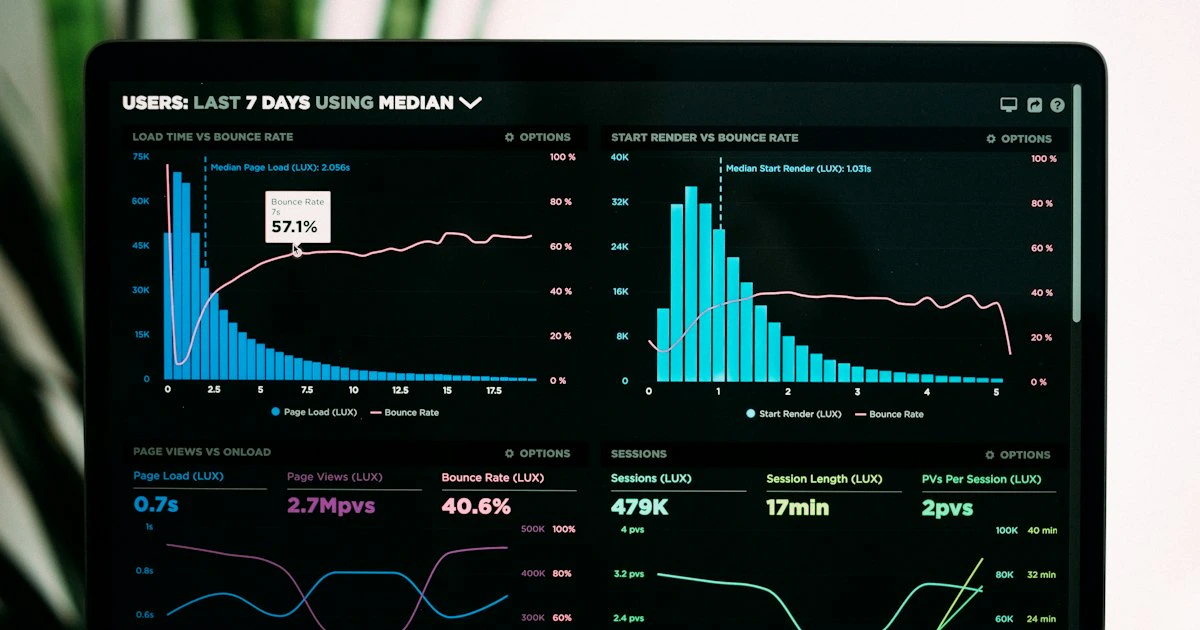
Start with a small set of well-calibrated tests. A test that generates dozens of false positives a day loses the team's trust faster than a control with no automation at all.
The role of AI in detecting exceptions and anomalies
Rule-based automation is excellent for what we already know to look for. The problem is that not every risk fits a fixed rule. This is where artificial intelligence comes in: it helps find patterns nobody wrote down in advance, such as spending outside a supplier's historical profile or an unusual sequence of access events.
In practice, AI adds value in two ways:
- Prioritisation. Faced with hundreds of exceptions, models can estimate which are most likely to represent real risk, so the team deals with what matters first.
- Noise reduction. By learning from auditors' previous decisions, the system can reduce the false positives that would otherwise consume hours of checking.
The limit must be clear. AI flags and prioritises; it does not conclude. The assessment of materiality, cause and response remains human, and every decision needs a trail: who decided, based on which evidence, and when. A human-in-the-loop model preserves that accountability and calls for clear governance over the AI itself before any part of the judgement is delegated to an algorithm, the subject of AI Governance Software: What It Is and How to Choose It.
Avoid treating AI as a black box. If the auditor cannot explain why an exception was raised, it is unlikely to stand up as evidence before a regulator or an external auditor.
Implementing continuous audit on a GRC platform
Isolated tests in spreadsheets and one-off scripts are fine for getting started, but they scale poorly. Each new framework or obligation, such as ISO/IEC 27001, SOC 2, the NIST CSF or the LGPD, tends to require the same controls to be tested again, in different ways. The result is rework and scattered evidence.
A GRC platform tackles this problem with a single control inventory: the same control, tested continuously, can be reused by the frameworks that depend on it, with traceability between the evidence, the control and the requirement. The Governance, Risk & Compliance module of Eagle, by Futture, was designed for this: map a control once and reuse it across frameworks, with traceability down to each requirement. Eagle's AI suggests priorities and recommendations under a human-in-the-loop model, in which the user reviews, approves, rejects or adjusts every relevant result. To compare options, see GRC platform in Brazil: how to choose the right one.
When evaluating a platform for continuous audit, check three capabilities:
- A single control inventory, to map one control to several frameworks without duplicating tests.
- An automatic evidence trail that records the source, date and owner of every piece of evidence collected.
- An exception workflow with owner and deadline, so that every failure detected has traceable treatment, not just an alert.
Conclusion
Continuous internal audit is a practical answer to a concrete problem: risk is growing faster than quarterly sampling can keep up with. The next step is modest and achievable. Pick a single high-risk control, such as revoking access for departed users, write the rule that defines its compliance, connect the data source and let the test run for 30 days. That pilot shows, with data from your own environment, how much manual effort you eliminate and where the exceptions are that sampling never saw. From that first well-calibrated test, expanding to the other controls stops being a leap and becomes a routine.
Further reading: AI Compliance Tools in Brazil: A Practical Guide; GRC Software: What It Is and How to Choose; AI Governance Software: What It Is and How to Choose It.
Frequently asked questions
What is continuous internal audit?
It is the practice of testing controls and transactions in an automated, recurring way, instead of checking only samples in quarterly or annual cycles. The aim is to identify failures and exceptions close to when they happen.
Does continuous audit replace the internal audit team?
No. Automation collects evidence and flags exceptions, but the assessment of cause, materiality and response is still done by auditors. The model redirects the team's time towards analysis and judgement.
What is the difference between continuous auditing and continuous control monitoring?
Continuous control monitoring is usually a management activity, in the first and second lines. Continuous auditing is carried out by internal audit, the third line, to provide independent assurance that the controls work.
Do I need a GRC platform to do continuous audit?
It is not required to get started: a pilot can run on scripts and direct queries to the data sources. To scale, a GRC platform reduces rework by reusing a single control inventory across frameworks and keeping evidence traceable.
Official references
- NIST — NIST updates NVD operations to address record CVE growth (April 2026)
- The IIA / Internal Audit Foundation — 2026 North American Pulse of Internal Audit (news release, March 2026)
- The IIA — GTAG Continuous Auditing and Monitoring, 3rd edition (2025)
- The IIA — Statements of Position: Three Lines Model (July 2026)